Living the mission: representing FKF at the 2025 ECOSOC Youth Forum
A first time at the UN, and a first time as a youth delegate — an FKF delegate on the African regional session, the digital boom, and the room that African delegates built for themselves.
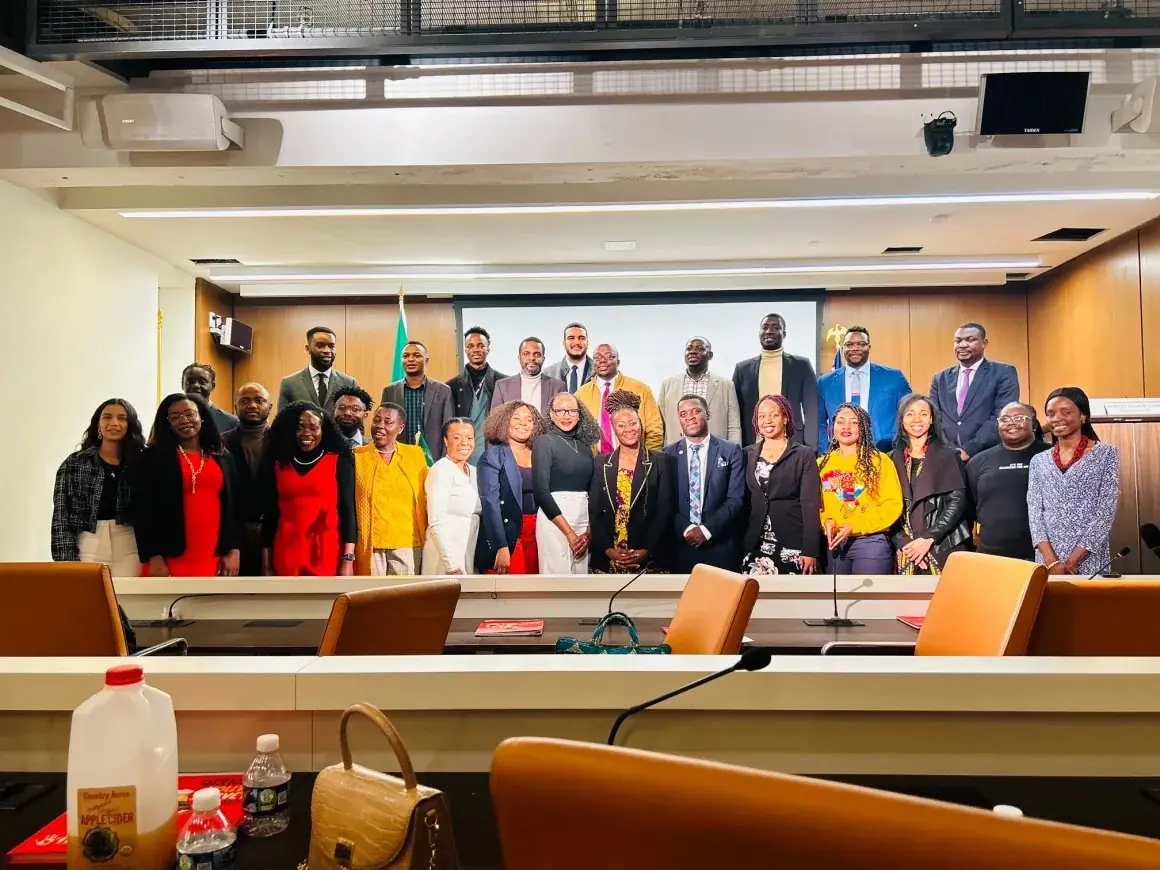
The week of 15–17 April, I had the honour of attending the 2025 ECOSOC Youth Forum at the United Nations Headquarters in New York City. It was not only my first time at the UN but also my first time serving as a youth delegate — an opportunity made possible through the Francis Koroma Foundation, for which I am deeply grateful.
It was essential for the foundation to participate. By actively engaging at ECOSOC, FKF helped bridge the gap between local impact and global policy, reminding the international community that sustainable development must be inclusive, youth-centred, and deeply rooted in the realities of those on the ground. Their support granted me access to the forum, and provided the mentorship, resources and platform needed to confidently represent the voices of young people. As a student of International Affairs and Africana Studies at Rutgers University, this moment felt like the physical manifestation of everything I study, advocate for and believe in.
One of the most impactful sessions I attended was “Youth Perspectives on Regional Development: Challenges, Priorities, and Actions for the SDGs.” This African regional breakout, held in the historic Trusteeship Council Chamber, was moderated by Mr Dialla Moumini, President of the Pan African Youth Union, and featured opening remarks from Ms Cristina Duarte, UN Under-Secretary-General and Special Adviser on Africa. H.E. Mr Bob Rae, President of ECOSOC, also gave a powerful message encouraging more youth involvement in global governance.
Youth speakers from across the continent — including Nancy Kesobaka Mopipi of South Africa and Prince Michrist Kaba Mboko of Congo-Brazzaville — highlighted the urgent issues facing African youth, from access to quality education and employment to climate change and governance. Mr Alasan Ann, a student and climate campaigner, emphasised how grassroots mobilisation is key to SDG implementation, especially in rural areas. One statistic stuck with me, from the outcome report of the African Youth Consultations: over 60% of Africa's population is under 25, yet youth are still significantly underrepresented in policy-making spaces.
Another compelling side event was “Making the Digital Boom Work for Young People: Advancing Inclusive Skilling, Innovation, and Digital Opportunity,” with George Opare Addo, Ghana's Minister of Youth Development; Joshua K. Opey, Chairperson of the Commonwealth Youth Council; and Osman Ayariga, CEO of Ghana's National Youth Authority. Joshua Opey's call for digital coalitions across Commonwealth countries — including monthly stipends for youth acquiring digital skills — struck a chord, as something that could drastically reduce barriers to access and create long-term economic mobility.
Osman Ayariga made a statement that challenged me to think deeper: “Humans always have needs; there will never be enough funding.” He called on young people to be their own advocates, to organise, and to demand resources. I found this empowering, but I could not help reflecting on the structural realities that often silence youth voices. If decision-makers are not actively listening to young people now, how realistic is it to expect youth-led advocacy to fill that gap without systemic change?
Throughout the forum I connected with brilliant delegates who shared my passion for building a better Africa, grounded in the same Sustainable Development Goals — particularly SDG 5 on gender equality, SDG 4 on quality education and SDG 6 on clean water and sanitation. These goals are not theoretical for me: I carried with me research I conducted in Tanzania on how low water quality affects women's menstrual health. Though I did not get to speak in some sessions, a delegate from Nigeria who founded her own NGO encouraged me to submit a policy proposal. That moment lit a fire in me.
The most powerful moment came from a session not listed on the formal agenda. Frustrated with the lack of African representation in official panels, African delegates decided to create our own space. Spearheaded by Maame De-Heer, Ben Malor and Senyo Agbohlah, this grassroots session reminded me why we are here — not just to ask for a seat at the table, but to build our own. Ben Malor, Chief Editor at UN News, told us, “Your uncle paved the way for you to be here.” Before this experience, the United Nations felt like an unreachable dream. In that room, I remembered a deeper truth.
This experience was not just about networking or note-taking. It was a professional milestone and a personal reminder that I belong in rooms like this. I left more confident, more connected, and more committed to using storytelling and diplomacy to advocate for those too often left unheard. To every young person reading this: keep showing up, keep speaking up, and keep building. The world doesn't change because we wait. It changes because we act.