We're not waiting for an invitation to the table — we're building new ones
On youth representation in parliaments, gender-based violence in conflict zones, and “integration literacy” in the age of AI — reflections from the 2025 ECOSOC Youth Forum.
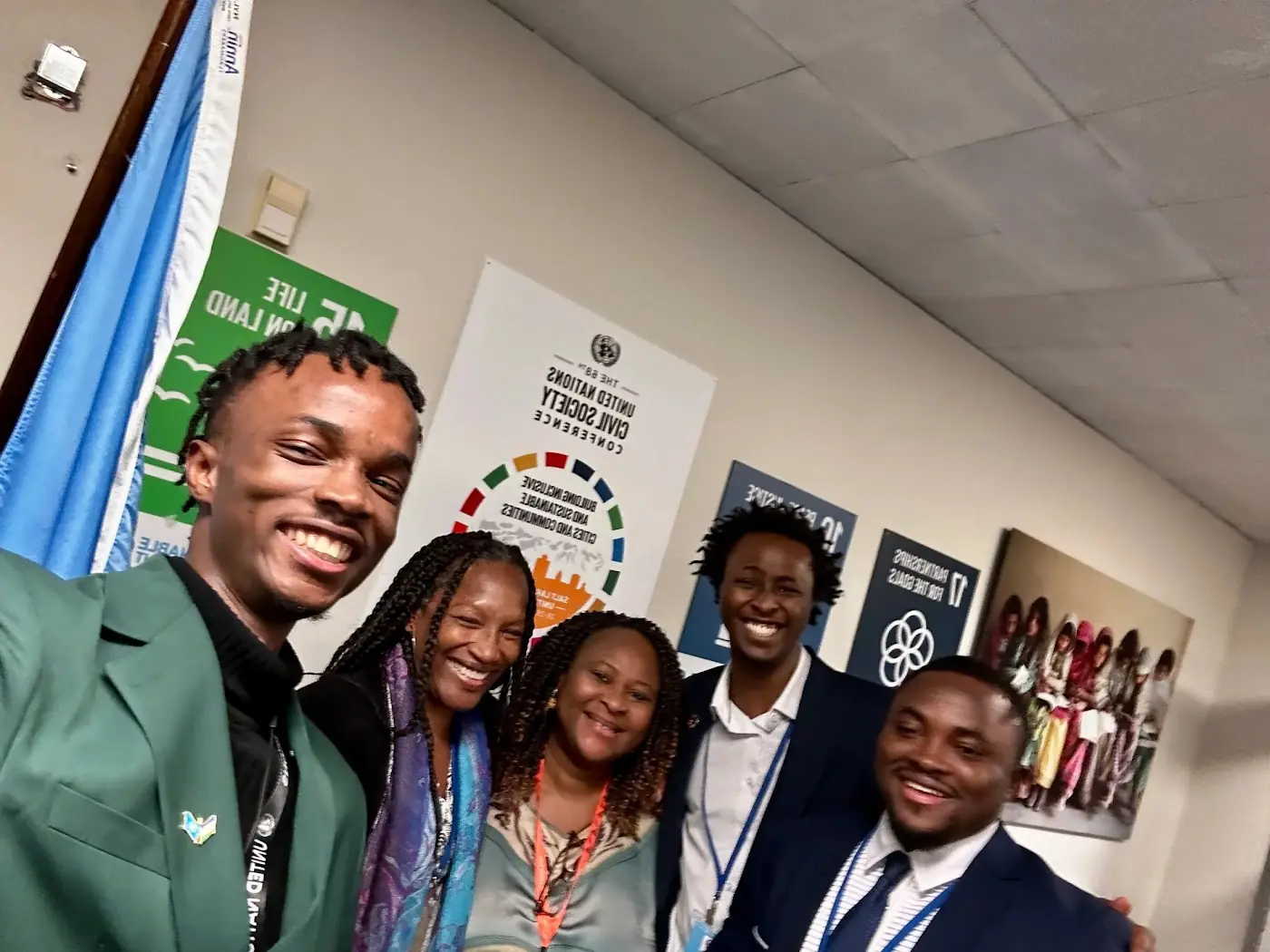
I am thankful to have been a representative for the Francis Koroma Foundation at the 2025 ECOSOC Youth Forum, joining global changemakers at the United Nations Headquarters in New York. Participating was not only inspiring but deeply refreshing. It helped ease some of the frustration I have been carrying about today's political climate. We are living in a time when the systems we grew up trusting are visibly cracking, and public faith in traditional institutions continues to erode. In the midst of that uncertainty, it was powerful to be surrounded by youth who were passionate, genuine, and fiercely motivated to build a better world.
Opening plenary: youth at the forefront of science and inclusion. We heard from Fatafehi Fakafanua, who entered the Parliament of Tonga at just 24 and remains its youngest member. He reminded us that while half the world's population is under 30, less than 3% of world parliament members are under that age. That disparity speaks volumes. Representation isn't just about having a voice — it's about having real power and influence over the structures that govern our lives. Without equitable youth representation in politics, our democracies cannot truly be democratic. We're often told that we are leaders of tomorrow, but many of us are already leading today: organising our communities, advocating for change, and in some cases writing legislation. We're not waiting for an invitation to the table — we're building new ones.
Day two: African youth perspectives on regional development. One of the most impactful sessions I attended was a regional discussion on Africa's development and the critical role youth play in advancing the Sustainable Development Goals. Led by the President of the Pan-African Youth Union, the session challenged traditional narratives and urged a reimagining of Africa's future centred on financial independence and self-sufficient innovation. What struck me most were the testimonies from youth in conflict zones like Goma, who bravely shared the realities of gender-based violence. These are not just statistics; they are human lives lost to systemic neglect. We cannot meaningfully talk about economic growth or sustainable development without first addressing gender inequality. Women, particularly in conflict-affected areas, must be at the centre of peacebuilding conversations — and we must not only speak for the unheard, but create platforms for them to speak for themselves.
Day three: empowering youth in the age of technology. The discussion around artificial intelligence was especially eye-opening. As AI evolves at an unprecedented pace, it becomes increasingly difficult to distinguish between the human and the machine. This session introduced me to the concept of “integration literacy” — the ability to blend human creativity, emotion and ethical reasoning with technological tools in a way that enhances society rather than exploits it. Many of us use AI daily without understanding its environmental costs. Unlike the electricity or water we can physically see, AI's resource consumption is invisible but substantial. It's time we educate youth not just on how to use AI, but how to use it responsibly and sustainably.
My experience was greatly enriched by the opportunity to network with people from a wide range of industries and backgrounds. Every conversation offered a unique lens through which to view sustainability and youth development, and opened the door to potential collaborations that could amplify both my career goals and the broader mission of the Francis Koroma Foundation. This kind of global exchange reminded me that real change happens when diverse voices come together to share knowledge and resources.
As a Marketing major with a minor in Law and Policy, this forum was one of my first experiences in international policy and diplomacy, and it exceeded every expectation. Engaging directly with delegates from around the world helped me see how deeply interconnected marketing, law and policy truly are, and pushed me to think about how I can use my marketing knowledge not just to influence consumers but to help inform policy and drive systemic change.
A frustrating truth is that youth are constantly looked to as “the future,” yet the policies made today rarely reflect our current realities and priorities. It is not enough for us to be consulted after decisions are made. We must be involved from the start, co-creating alongside policymakers — not as tokens of diversity, but as essential voices in shaping policy that directly impacts our lives. Meaningful youth inclusion is the foundation of sustainable progress.